
Maritime Traditions and Seafarer Culture
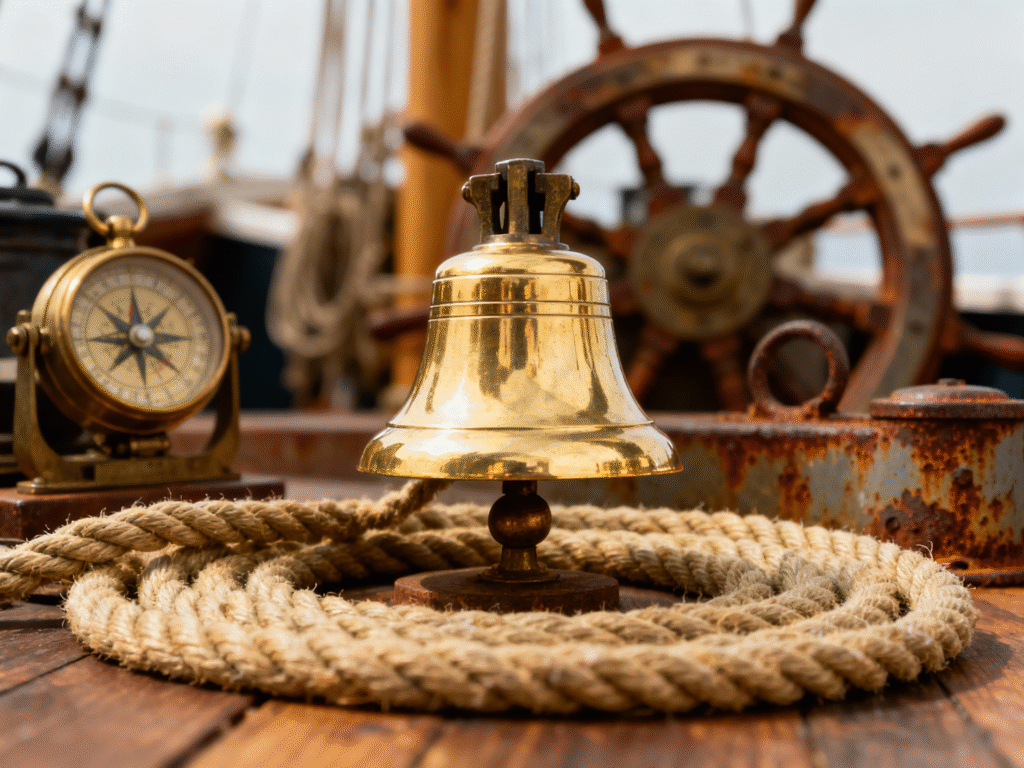
There are many maritime traditions that have passed through the centuries and are still preserved in maritime culture. For centuries, seafarers have weathered storms, explored worlds, and formed unique maritime traditions and culture. In this article, we will introduce you to some of these interesting traditions and fascinating stories that you may not have known.
Rule of Silence on Board
One of the oldest maritime traditions is the "rule of silence". This does not mean that silence must reign on board, but there are certain topics that are usually avoided as they are considered bad omens.
Superstitions at sea have their origins in ancient times, when seafarers tried to resort to all possible means to ensure safety and good luck in their travels. For example, it is considered bad form on board to talk about sea serpents or seven-league boots. Sea serpents were a symbol of danger and misfortune in maritime folklore.
Other taboos include mentioning certain numbers considered unlucky, or bringing items on board that may bring bad luck. These superstitions and traditions are largely part of maritime cultural heritage and relate more to history and folklore.
Maritime Ceremonies
Maritime ceremonies are an important part of life at sea. They mark important moments in sea voyages, strengthen bonds between crew members, and create unforgettable memories of a maritime career.
Traditional Ceremonies
Equator Crossing Ceremony
The Line Crossing Ceremony is a unique maritime tradition celebrated when a ship crosses certain geographical coordinates such as the equator, Arctic Circle, Tropics of Capricorn and Cancer. The ceremony itself typically represents a "baptism" or "initiation" ritual for those crossing the line for the first time. At the end of the ceremony, newcomers are usually presented with a certificate confirming their new status as "experienced" seafarers.
International Date Line Crossing - "Golden Dragon"
The International Date Line is a meridian at 180 degrees east or west longitude that serves as the "date change line". When crossing this line, the crew often marks this moment with a special ceremony. One of the most common elements of this tradition is the "Golden Dragon" award, a certificate or medal that seafarers receive in recognition of their crossing of the International Date Line.
Flag Exchange
This is an ancient maritime tradition that continues to exist today. This custom represents the exchange of flags between vessels meeting at sea as a sign of respect, recognition, and friendship. When two vessels approach close enough to each other, they raise their national flags in greeting, then exchange them as a sign of respect and mutual recognition.
Ship's Bell
The ship's bell is not just a maritime tradition, but also an important element of the navigation system that still retains its significance at sea.
Since ancient times, the bell has been used on ships for various purposes. It served not only as a means of measuring time (using a certain number of strikes indicating hours and watches), but also as a signal in case of danger.
One of the main uses of the ship's bell is its use as a signaling device in poor visibility conditions. In fog or bad weather, when visibility is limited, the bell serves as a means of warning other vessels of its presence.
There is also a tradition of ringing the bell on special occasions. When entering or leaving port, the bell rings as a greeting or farewell. The bell also traditionally rings in the new year: at midnight, the ship's senior officer must strike the bell eight times, marking the end of the old year, after which the junior officer makes another eight strikes, welcoming the new year.
Seafarer Tattoos
Seafarer tattoos are another iconic aspect of maritime culture. They not only represent unique art but also have special meaning. For example, an anchor tattoo usually symbolizes stability and loyalty to the profession, while a turtle image usually means the seafarer has crossed the equator.
Maritime life is full of amazing traditions and stories. From silent laws to vibrant tattoos, seafarer culture continues to inspire and impress with its depth and diversity.
Cultural Heritage
Maritime traditions are an important part of maritime cultural heritage. They reflect the spirit of camaraderie, international brotherhood, and adventure that is the essence of life at sea.
Become Part of Maritime Tradition
Maritime traditions and culture are what make the seafarer profession special. The "AVANT" Seafarer Training Center not only teaches professional skills but also introduces the rich cultural heritage of seafaring.
Or contact us directly:
Working hours:
Monday—Thursday: 9:00 AM to 5:00 PM
Friday: 9:00 AM to 4:00 PM
Saturday and Sunday — days off