
Modern Technologies in Shipping: Efficiency and Safety
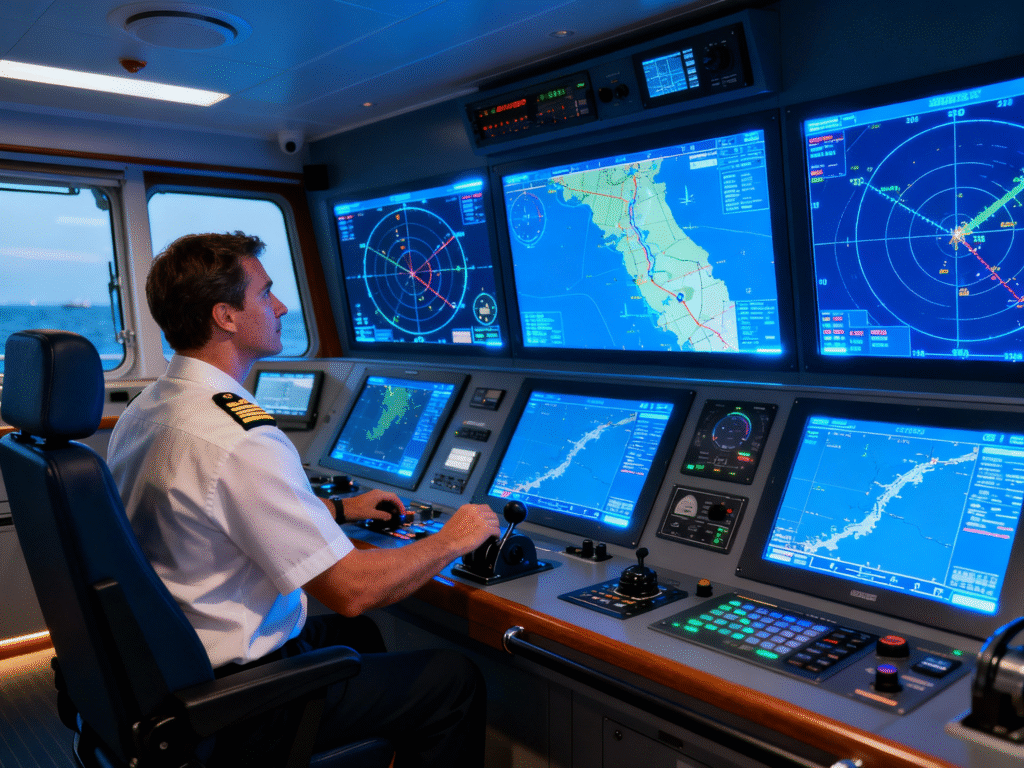
Every year, technological progress affects all aspects of our lives, and shipping is no exception. In the era of digitalization and automation, shipping companies are actively implementing the latest technologies. But what impact do they have on the efficiency and safety of shipping?
Automation and AI
Modern shipping is on the verge of significant changes thanks to the introduction of automation and artificial intelligence (AI). These technologies are transforming the industry as follows:
Forecasting and decision-making systems. AI can analyze large volumes of data to predict weather conditions or determine the most efficient route considering various factors.
Accident prevention. With AI, ships can automatically identify potential threats and emergency situations, suggesting solutions or automatically adjusting course.
Engine optimization. AI can automatically analyze engine performance and implement adjustments to ensure maximum efficiency and fuel economy.
Cargo operations management. Automation can simplify and optimize loading and unloading of cargo, reducing the likelihood of errors.
Remote control. In the future, using AI and automation, ships may be controlled remotely without the need for crew on board.
Unmanned Vessels
With the development of technologies in automation and artificial intelligence, one of the most discussed areas in shipping has become unmanned vessels. These vessels are ships that can function without direct human crew participation, equipped with automated control systems, sensors, and radars.
Advantages of Unmanned Vessels
Safety
Many maritime incidents occur due to human error. Automated systems can reduce this risk by carefully analyzing data and preventing potential threats.
Efficiency
Unmanned vessels can operate around the clock without the need for crew rest, which can increase productivity and reduce cargo transportation time.
Cost Savings
The absence of the need to maintain crew on board can reduce operational costs.
Monitoring Systems
Real-time monitoring technologies allow tracking the ship's condition, predicting and preventing technical malfunctions.
Navigation systems track the vessel's location, speed, course, and other parameters to ensure safe navigation.
Engine control systems monitor engine operation, fuel consumption, temperature, and pressure to prevent possible malfunctions or breakdowns.
Advantages of monitoring systems: accident prevention through early detection of potential problems, optimization of equipment operation for fuel and resource savings, ensuring crew and cargo safety.
Modern vessel monitoring systems use advanced technologies such as Artificial Intelligence (AI) and Big Data for real-time data analysis and interpretation.
Environmental Technologies
The modern world is increasingly paying attention to environmental issues, and shipping is no exception. The industry is actively integrating environmental technologies to minimize harmful environmental impact and comply with international standards.
- Alternative fuel vessels - natural gas (LNG) vessels, electric vessels
- Solar and wind technologies for additional energy sources
- Design and construction optimization - hydrodynamic optimization, ballast management systems
- Emission reduction systems - modern ships are often equipped with gas treatment systems and other technologies, such as scrubbers, which reduce the amount of harmful emissions into the atmosphere
Environmental technologies in shipping not only contribute to environmental preservation but also provide economic benefits through reduced fuel costs and compliance with international environmental standards. - Solar and wind technologies for additional energy sources
Improved Equipment
Modern sensors and radars make navigation more accurate, allowing vessels to move safely even in difficult weather conditions. Improved equipment plays a key role in modern shipping, making navigation safer, more efficient, and environmentally friendly.
Become Part of the Future of Shipping
Modern technologies in shipping represent a kind of industry evolution aimed at raising standards of safety, sustainability, and efficiency. The "Avant" Seafarer Training Center prepares specialists ready to work with the latest technologies in the maritime industry.
Or contact us directly:
Working hours:
Monday—Thursday: 9:00 AM to 5:00 PM
Friday: 9:00 AM to 4:00 PM
Saturday and Sunday — days off