
Importance of English Language for Seafarers
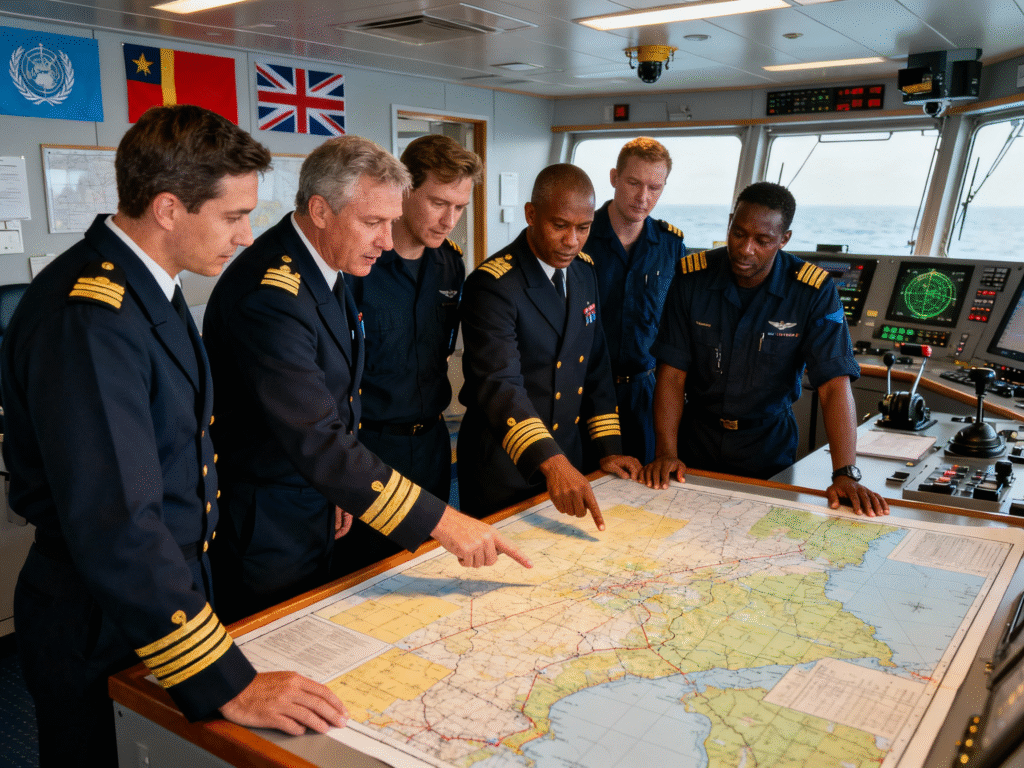
The English language for seafarers is an integral part of life, as it is used for international communication on board a vessel. Proficiency in English at a sufficient level is a key factor for a successful seafarer career and can affect work safety and communication comfort with colleagues.
Significance of English Language for Seafarers
English is the official language of international shipping and is used for communication between crews of different countries. It is important to be able to clearly express your thoughts, ask questions, and understand answers to avoid misunderstandings and conflict situations on board.
In the event of an accident or other emergency, prompt and clear communication in English can save lives and prevent serious consequences. Knowledge of specific vocabulary and radio communication rules allows seafarers to act cohesively and effectively.
English for Career Growth
Knowledge of English at a high level can be a key factor in employment and career advancement. Many ship owners and crewing companies require candidates to confirm their English language proficiency through specialized tests and exams.
Main Areas of English Language Application at Sea
International Communication
English is the language of international communication on board a vessel where representatives of different nationalities work. Clear communication helps avoid misunderstandings and ensures effective work of the entire crew.
Safety and Emergencies
In critical situations, the ability to communicate quickly and clearly in English can save lives. Knowledge of standard phrases and safety terminology allows the crew to act in a coordinated manner under stress.
Professional Development
Knowledge of English opens access to international educational programs, advanced training courses, and opportunities to work in prestigious shipping companies around the world.
Basic Training and Practice
Learning Basic Vocabulary and Phrases. First, it is necessary to master basic words and phrases used in the maritime sector. This will help the seafarer communicate with colleagues and understand instructions. It is important to learn terminology related to weather conditions, navigation, safety, and vessel maintenance.
Pronunciation and Listening Practice. Pronunciation and listening comprehension are key skills for international communication on board. Regular listening practice using authentic materials such as videos, audio recordings, and radio broadcasts will help improve listening comprehension.
Learning Through Role-Playing and Dialogues. Using role-playing and dialogues in the process of learning English can significantly increase the level of communicative competence of a seafarer. Such exercises allow modeling real situations on board and practicing communication skills in various contexts.
Specialized Training
Training Using Specialized Educational Materials. There are many textbooks and courses developed specifically for seafarers to learn English. They contain vocabulary, grammar, and practical exercises adapted for work on a vessel.
Communication with Native Speakers and Colleagues from Other Countries. The best way to improve your language skills is practice with native speakers or colleagues from other countries. During communication, a seafarer can refine their skills and overcome language barriers and fear of conversations in a foreign language.
Taking Specialized Courses and Trainings. There are various courses and trainings developed specifically for seafarers who want to improve their English language knowledge. Such training programs can be adapted for different knowledge levels and include various topics, from basic vocabulary and grammar to specialized lessons on vessel safety and radio communication.
Regular Independent Practice. To achieve success in learning English, it is important to engage in regular independent practice. Allocate time for reading, writing, listening, and speaking practice daily or several times a week.
Key to Success
Proficiency in English is the most important criterion for a successful seafarer career. It ensures effective international communication on board, increases work safety, and opens new opportunities for professional growth.
English Language Courses for Seafarers
The "Avant" Seafarer Training Center offers specialized English language courses developed taking into account the specifics of the maritime industry. Using the proposed tips for preparing for international communication on board, you will be able to significantly improve your English language knowledge and feel confident in an international environment.
Or contact us directly:
Working hours:
Monday—Thursday: 9:00 AM to 5:00 PM
Friday: 9:00 AM to 4:00 PM
Saturday and Sunday — days off