
Principles and Practice of Safety at Sea for Ship and Crew
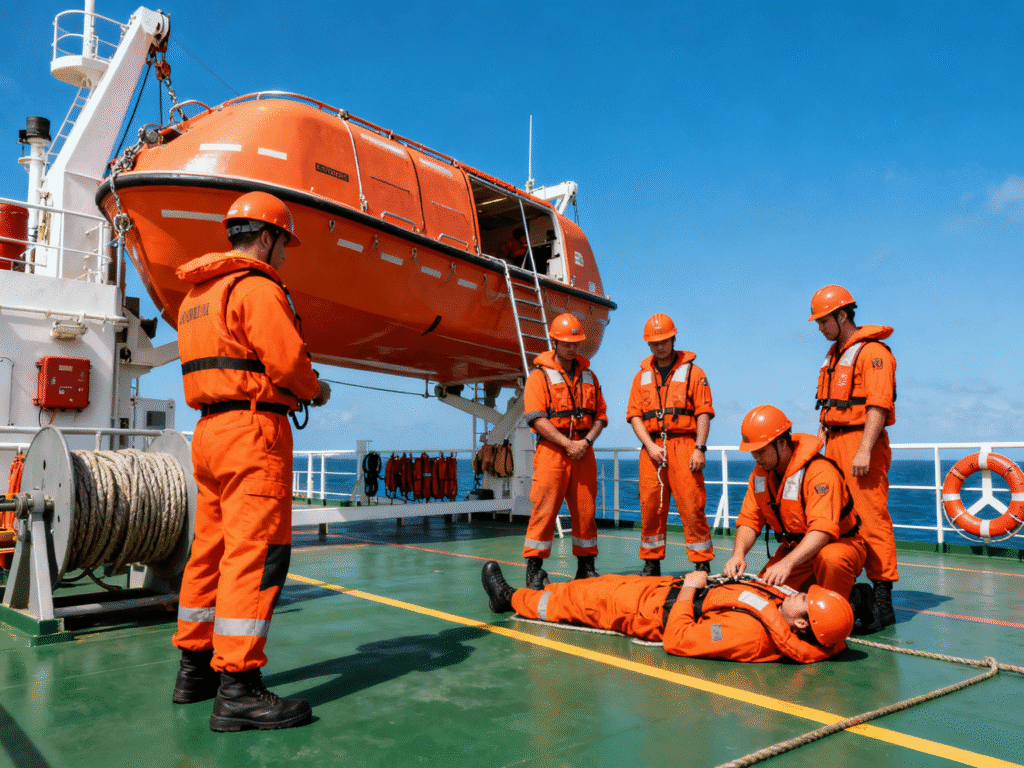
The importance of safety at sea cannot be overestimated. It plays a key role in ensuring the safety of life and health of seafarers, as well as protecting the environment and vessels. In this article, we will look at some key principles and practices that contribute to the safety of ships and crews.
Training - The Foundation of Safety
Training and preparation are key components of ensuring safety at sea. They serve not only to prepare seafarers to perform their duties, but also to ensure the safety of the crew, vessel, and environment. Proper training helps seafarers respond effectively to emergencies and prevent accidents.
Key Safety Aspects
Safety at sea requires a comprehensive approach, including crew training, adherence to procedures, use of modern safety systems, and creation of a safety culture on board.
Training and Preparation
Basic Training
Basic safety training at sea often covers first aid, fire safety, evacuation procedures, and sea survival. This training provides the basic skills and knowledge needed to work on a vessel and in case of emergencies.
Specialized Training
Depending on their role and responsibilities on board, seafarers may require specialized training. This may include technical training, hazardous cargo safety training, fire safety training, ship management training, and much more.
Emergency Training
Emergency training helps seafarers prepare to respond to various emergency scenarios. This may include firefighting training, search and rescue, extreme condition management, etc.
Continuous Skill Updates
Training and preparation are not limited to a one-time course. Regular drills and training help update skills and knowledge, as well as adapt to new technologies and practices.
Occupational Safety and Health Training
This training allows seafarers to know and understand the risks associated with their work, as well as learn to minimize them.
Safety Procedures
There are certain safety standards and procedures that should be followed on board a vessel. This may include rules regarding the use of personal protective equipment (PPE), adherence to clear procedures when working with dangerous equipment, as well as performing regular inspections and equipment maintenance.
Safety procedures are a set of instructions that define how to act in certain situations. They cover a wide range of scenarios, including normal operations, emergencies, and evacuation procedures. These procedures are often documented in safety instructions and should be well known to all crew members.
Safety Systems
Modern vessels are equipped with various safety systems that help prevent accidents and ensure crew safety in case of emergencies:
Equipment and Technologies. Vessels are equipped with various equipment and technologies to ensure safety, including fire detection systems, lifesaving equipment (such as lifeboats and life jackets), navigation and communication systems, as well as capsizing and flooding protection systems.
Safety Management Systems (SMS). SMS is a holistic approach to safety management on vessels. They provide a framework for identifying and managing risks, conducting monitoring and incident analysis, and crew training and preparation.
Automatic Identification System (AIS) Technologies. AIS helps improve navigation safety by allowing vessels to automatically exchange information such as identification number, position, course, and speed.
Safety and Certification Requirements. International and national regulators establish safety requirements that all vessels must comply with.
Safety Culture and Standards
Safety culture at sea plays an important role. It ensures that all crew members take safety seriously and follow rules and procedures. There are numerous international standards and regulations, including the International Safety Management Code (ISM Code) and the Safety of Life at Sea Convention (SOLAS).
Safety Training at "Avant"
We at the "AVANT" Seafarer Training Center believe in the importance of training and educating seafarers to ensure safety at sea. Learn more about our training programs and courses.
Or contact us directly:
Working hours:
Monday—Thursday: 9:00 AM to 5:00 PM
Friday: 9:00 AM to 4:00 PM
Saturday and Sunday — days off