
The seafaring profession: key skills and requirements
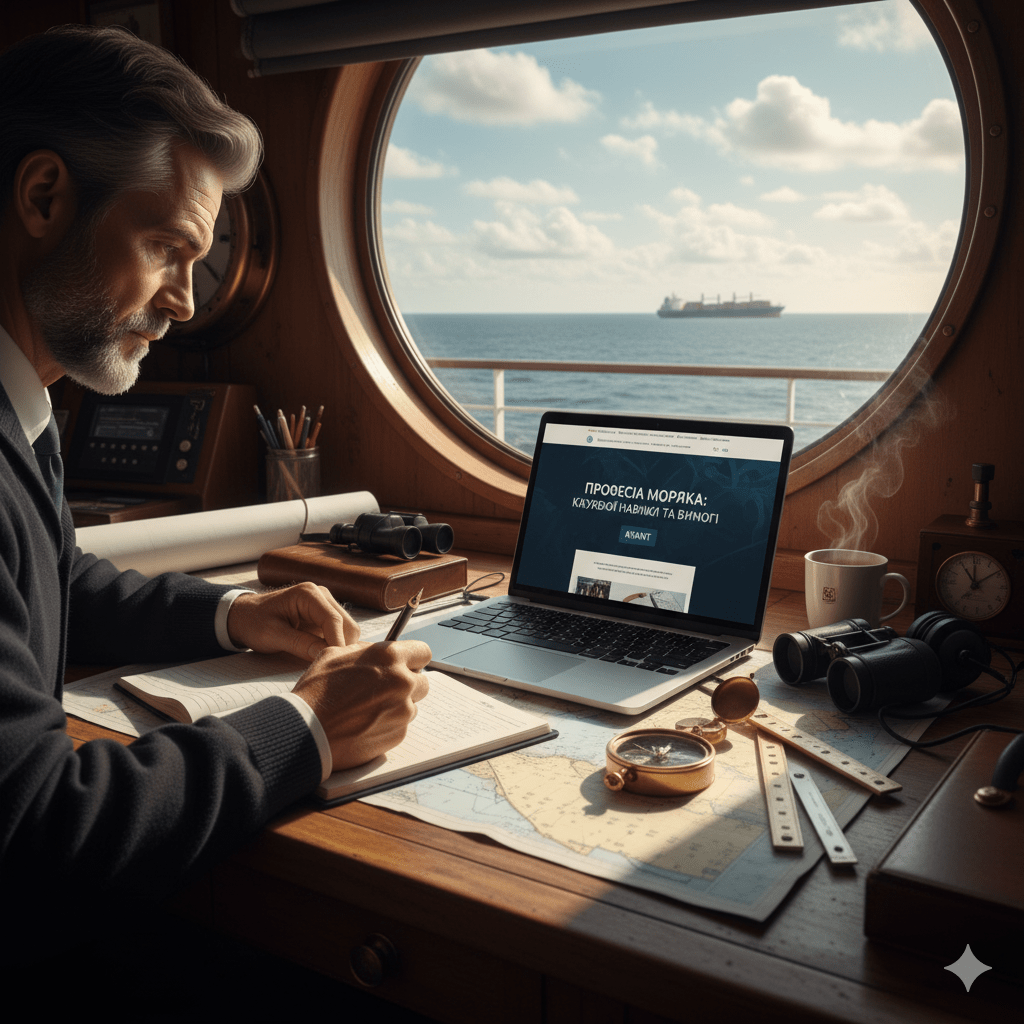
The seafaring profession is not just a job, it is a way of life. It requires not only professional skills and knowledge, but also physical endurance, ability to work in a team, capacity for quick adaptation to changing conditions, and the ability to remain calm in extreme situations. In this article, we will examine in detail the key skills and requirements for the seafaring profession.
Education and Qualifications
Education and qualifications are fundamental requirements for a career in the maritime industry. In many countries, including Ukraine, seafarers must have appropriate education and qualifications confirmed by the International Convention on Standards of Training, Certification and Watchkeeping for Seafarers (STCW). This document, adopted in 1978, establishes minimum requirements for education, training, and work experience for seafarers on merchant vessels.
It is important to understand that a seafarer's education and training do not end with obtaining a diploma or certificate. A career at sea requires continuous learning and development. New technologies, regulatory changes, improved work methods - all require updating knowledge and skills.
The level of education and qualifications required for a seafarer will depend on their role on board. For example, a ship captain must have a higher level of education and experience than a sailor.
Skills and Abilities
The skills and abilities required for a seafarer are quite diverse and depend on the role they perform aboard the vessel. All seafarers, regardless of their position, must possess certain basic skills such as communication, ability to work in a team, critical thinking, and quick problem-solving abilities.
However, beyond these general skills, seafarers must also possess specialized abilities. For example, a captain or chief officer must have deep knowledge in navigation, meteorology, and maritime law. Mechanics must have knowledge in mechanics, electronics, and engineering.
It is important to note that in a world where technologies are constantly developing, seafarers must be ready for continuous learning and skill development. A seafarer's abilities and skills are not limited to technical aspects only. The importance of stress management skills, communication abilities, and maintaining healthy relationships with colleagues on board cannot be underestimated.
Moral and Psychological Qualities
The importance of moral and psychological qualities for a seafarer cannot be overestimated. Life at sea often presents a complex psychological challenge. The main qualities that every seafarer should possess include:
Stress Resistance
This is a key quality for a seafarer. Stress can manifest in various forms, including physical fatigue, emotional exhaustion, feelings of loneliness, or depression. The ability to cope with stress and remain calm even in the most difficult situations is crucial for successful duty performance.
Communication Skills
Life aboard a vessel involves constant communication with crew members. Effective communication helps ensure smooth operations and conflict avoidance. Additionally, communication skills can be critically important in emergency situations.
Adaptability
The sea can be unpredictable, and seafarers often have to quickly adapt to changing conditions. From weather changes to unforeseen equipment problems - flexibility and the ability to make quick decisions are valuable qualities.
Discipline
The importance of following rules and procedures aboard a vessel cannot be underestimated. Discipline helps ensure the safety of everyone on board and effective duty performance.
Empathy
The ability to understand and share the feelings of other crew members helps create a positive and trusting work environment.
Continuous Learning and Development
In a rapidly changing world, continuous learning and development are an important part of professional growth for any specialist, including maritime activities. Technological progress, changes in international maritime laws and norms, as well as constantly evolving safety and environmental protection practices require seafarers to constantly update and expand their knowledge and skills.
Comprehensive Approach
The seafaring profession requires a comprehensive approach to training and a constant desire for improvement. Only adherence to all key requirements and continuous development will help a seafarer successfully perform their duties and excel in any conditions.
Start Your Seafaring Career
At the "Avant" Training Center, you can acquire the necessary skills and knowledge for a successful career in the maritime industry. Our qualified instructors will help you master all the nuances of the profession and prepare for work on vessels.
Or contact us directly:
Working hours:
Monday—Thursday: 9:00 AM to 5:00 PM
Friday: 9:00 AM to 4:00 PM
Saturday and Sunday — days off