
Trust but Verify: Top Resources for Finding Vessel Information
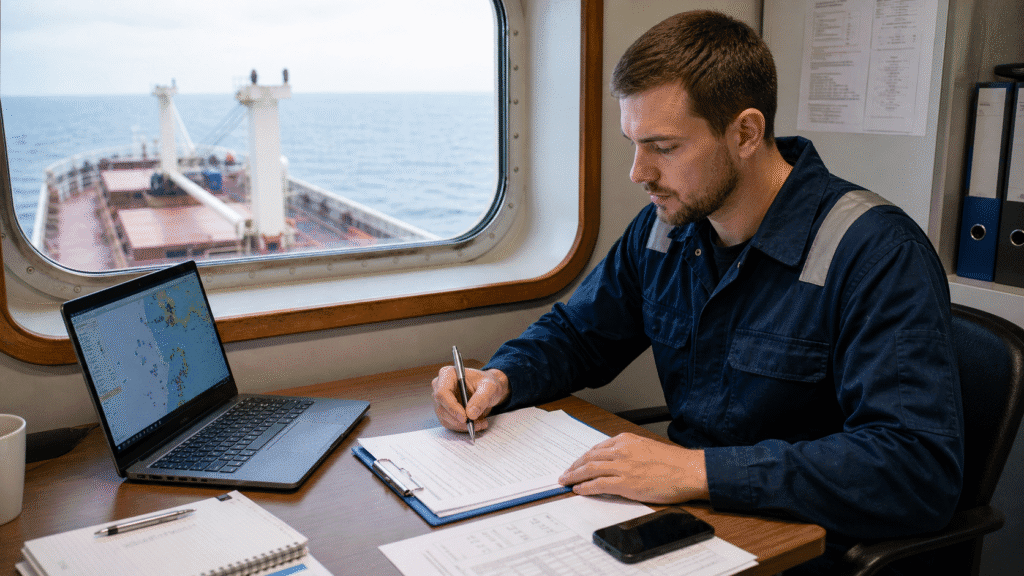
A thorough vessel check before signing a contract helps reduce the risk of poor working conditions and unpaid wages. Crewing managers often promise ideal conditions, reliable machinery and recent repairs. Reality may be different. To avoid unnecessary trouble, spend half an hour collecting facts on your own. Vessel verification is only part of preparation: for documents and things needed before joining a vessel, read our guide on how to prepare for your first voyage. Below is a step-by-step algorithm for finding vessel information through open databases and avoiding misleading promises.
Basic Dossier: Vessel Search by IMO Number
A vessel’s name, flag, owner and management may change. The only permanent identifier is the unique seven-digit IMO number. Searching a vessel by IMO number is the foundation of your safety. To check a vessel by IMO for free and get its technical profile, use trusted global databases:
1. Equasis
The main free register supported by the European Commission. It shows PSC inspection history and detentions.
2. MarineTraffic / VesselFinder
International vessel trackers. They provide basic parameters, photos and dimensions.
3. Classification registers
Websites of classification societies such as DNV, Lloyd’s Register and Bureau Veritas. They contain the most accurate technical information.
What to Check in a Vessel Profile
When analysing a vessel profile, pay close attention to three key factors:
1. Vessel age
Assess it realistically. If the vessel is over 20 years old, be prepared for frequent emergency work and repairs.
2. Vessel specifications
Deadweight tonnage, or DWT, is the vessel’s full carrying capacity. It helps you understand the scale of future cargo operations and how sensitive the ship may be to small or storm waves.
3. Vessel history
Frequent changes of flag, name and management within a few years are a warning sign.
Do Not Forget Your Own Documents
While checking the vessel, also make sure your own documents are in order. The Unified State Register of Seafarer Documents helps explain which documents require verification and why this matters before a new contract.
Control Check-Up: Vessel Location Online and Shipping Company Verification
After studying the technical data, find out exactly where the vessel is and who manages it. Modern technology allows you to track a vessel through AIS (Automatic Identification System) in real time. To determine a vessel’s exact location online, seafarers most often use MarineTraffic or VesselFinder. These popular interactive maps show the current port, speed, course and estimated time of arrival. They also help check whether the vessel is stuck in a war zone, piracy area or prolonged storm.
However, a nice picture on the map does not guarantee wage payment. The final and most important stage is a comprehensive check of the shipowner and crewing agency. It is useful to review the presence of an ITF collective agreement, company history, seafarer reviews and information about wage delays.
Where to Check the Company and Vessel Reputation
Compare several sources and check the following specialized platforms:
1. Maritime forums and blacklists
Websites such as Crewing_help or Otzyvy_morakov. Real people share real experience from specific vessels there.
2. Trade union databases
Check the company through the ITF (International Transport Workers’ Federation). Make sure the vessel has a collective agreement protecting crew rights.
Before signing the agreement, check not only the vessel but also the validity of your certificates. The authenticity of individual maritime documents can be verified through the official service of the Maritime Administration of Ukraine — online verification of seafarer documents.
Spend half an hour checking the IMO number, PSC data, company, contract terms and colleague reviews. This does not guarantee a perfect voyage, but it helps identify risks before boarding, not after the vessel has sailed. Your safety starts ashore.
Need to update documents or choose courses for a new contract?
Fill out the seafarer application — our specialists will help determine the required certificate package.
Or contact us directly:
Working hours:
Monday—Thursday: 9:00 AM to 5:00 PM
Friday: 9:00 AM to 4:00 PM
Saturday and Sunday — days off